GST on Under-Construction Apartments Explained

GST on under-construction residential apartments in India applies at 1% for affordable housing and 5% for regular housing. Neither rate carries the benefit of Input Tax Credit for buyers. This distinction shapes how much tax homebuyers actually pay on top of a property's base price.
The applicable rate depends mainly on the unit's price and carpet area.
Current GST Slabs for Residential Property
India's GST structure for under-construction homes splits buyers into a few clear categories, based on price and size.
Affordable Housing: 1% GST
This lower rate applies to residential units priced up to ₹45 lakh. In metro cities like Bengaluru, the unit's carpet area must stay within 60 square metres. Non-metro properties get a slightly larger limit, up to 90 square metres, to qualify for this affordable housing rate.
Regular Housing: 5% GST
Any residential property priced above ₹45 lakh falls under this standard rate. Units exceeding the affordable-housing carpet area limits also fall into this bracket, regardless of their final price. Most branded, mid-to-premium apartment projects across Indian cities fall under this 5% GST slab.
Commercial Property: 12% GST
Under-construction commercial spaces, including shops and offices, attract a higher 12% GST rate. Unlike residential purchases, commercial buyers can claim Input Tax Credit against this tax. This makes commercial property taxation meaningfully different from the residential rules covering apartments and villas.
The Ready-to-Move Exception
Completed properties avoid GST entirely, provided the transaction happens after key approvals are in place. If a project has already received its Completion Certificate or Occupancy Certificate before payment, GST doesn't apply at all.
This exception makes ready-to-move homes genuinely cheaper on the tax front, compared to buying the same unit under construction.
How Land Value Affects the GST Calculation
GST isn't calculated on a property's full agreement value directly. Indian tax rules assume land accounts for roughly one-third, or 33%, of a property's total value. This portion gets deducted before applying the GST rate, since land itself isn't taxed under GST. Only the remaining construction-linked value attracts the applicable 1% or 5% rate.
Why Buyers Can't Claim Input Tax Credit
Under the current residential GST structure, buyers purchasing at the 1% or 5% rate cannot claim or pass on Input Tax Credit. This means builders absorb input material taxes themselves, factoring these costs directly into a project's base pricing instead.
Buyers won't see any separate ITC benefit reflected in their final purchase price, unlike under the older, pre-2019 GST regime.
Stamp Duty and Registration Remain Separate
GST doesn't replace other property-related charges buyers must still pay. Stamp duty and registration fees apply separately, based on state-specific rates, at the time of registration or possession. Buyers should always budget for these charges alongside GST, rather than assuming GST covers the property's full tax liability.
Relating This to Prestige Park Lane
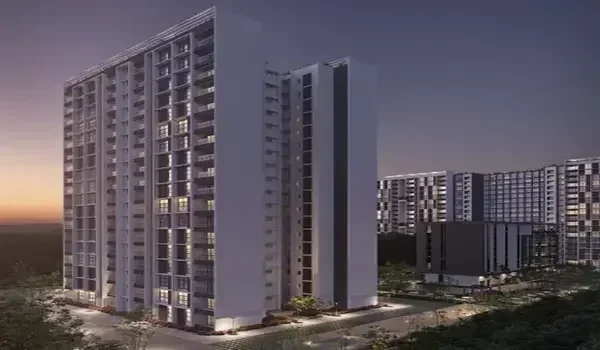
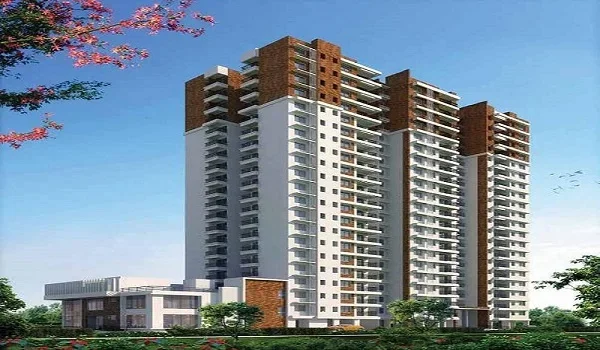
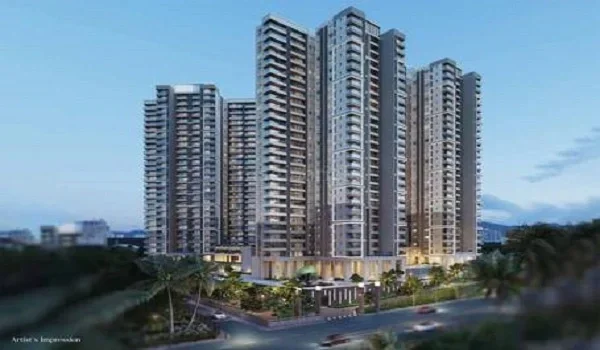
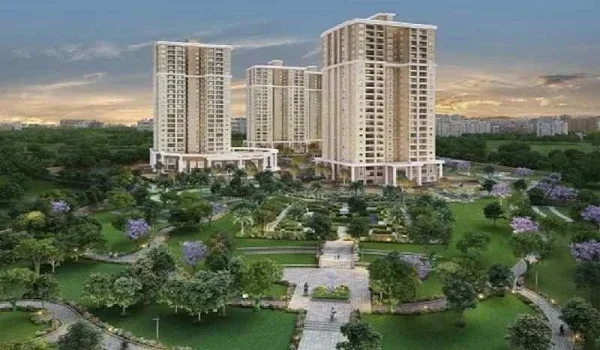
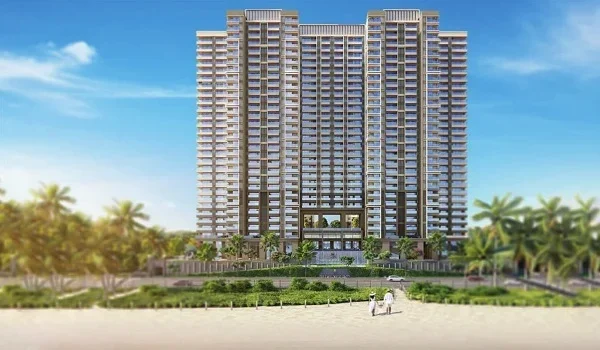
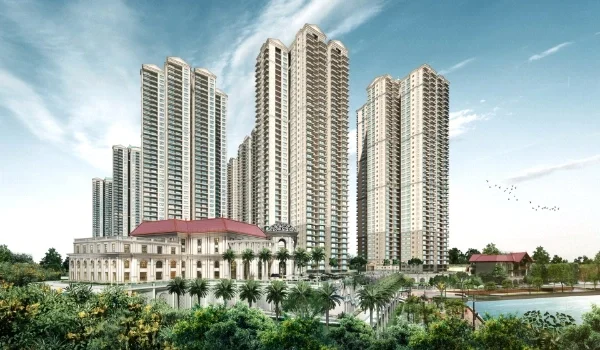
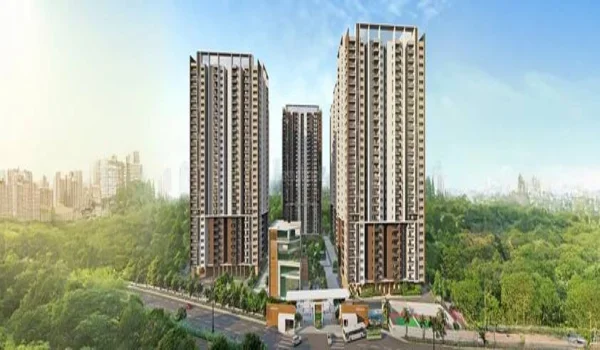
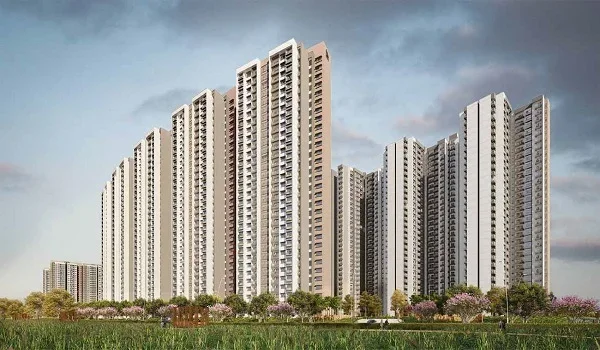
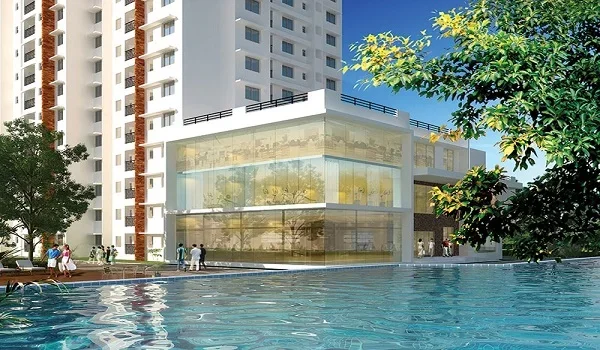
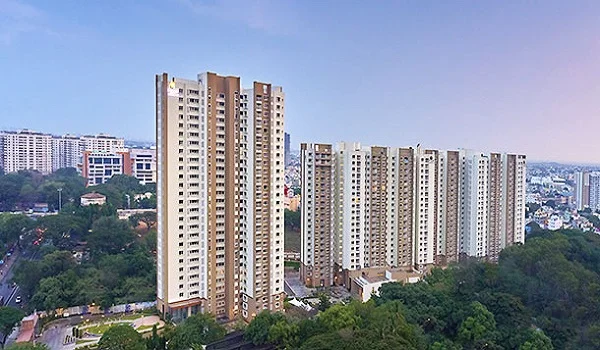
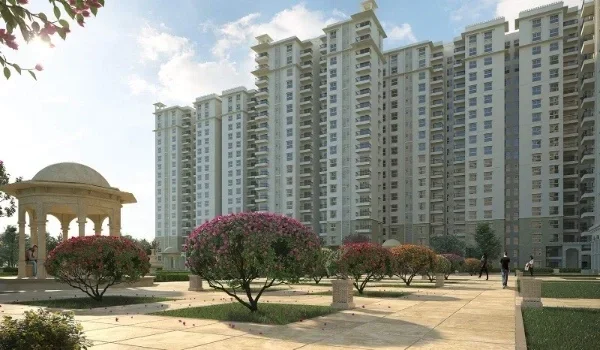
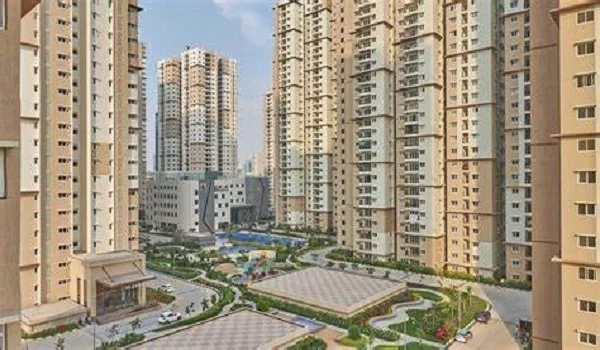
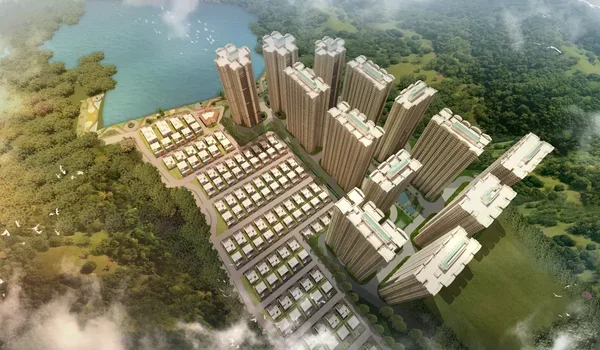
Prestige Park Lane, a new-launch project by Prestige Group at KIADB Phase 2, Devanahalli, falls squarely under the 5% GST slab. With indicative pricing starting near ₹65 lakh for a 1 BHK, every configuration here exceeds the ₹45 lakh affordable-housing threshold.
Buyers should also budget for Karnataka's stamp duty, around 5%, and registration charges near 1%, both separate from GST. Since the project remains pre-launch, these figures stay indicative until the full cost sheet releases at the October 2026 launch.
Conclusion
GST on under-construction apartments comes down to a straightforward split: 1% for affordable housing, 5% for everything above that threshold. Understanding this distinction, along with the land-value deduction and missing ITC benefit, helps buyers budget accurately before committing to any under-construction purchase.
Prestige Group Prelaunch Project is Prestige Parklane.
FAQs
GST applies at 1% for affordable housing and 5% for regular residential properties, with no Input Tax Credit available.
No, GST doesn't apply if the property has already received its Completion or Occupancy Certificate before payment.
Units priced up to ₹45 lakh, with carpet area limits of 60 sq metres in metros and 90 sq metres elsewhere.
No, about one-third of the value is deducted for land before applying the applicable GST rate.
Yes, stamp duty and registration charges apply separately from GST, based on state-specific rates.