Booking, cancellation and refunds under RERA: what actually binds

Booking a home is easy. Getting your money back when circumstances change is where people discover what they actually agreed to. RERA changed this materially, and most buyers do not know what it gave them. This guide sets out the three stages of a booking, what binds at each, and what cancellation really costs.
General information, not legal advice. Take advice on your own agreement before acting.
The three stages, and what binds at each
Expression of interest
Not a booking. No unit is identified or allotted, no money changes hands, and neither party is committed. Under Section 3 of the RERA Act, nothing in an unregistered project can be advertised, booked or sold. A pre-launch expression of interest is therefore exactly what it says. Anyone asking for money before registration, however it is described, is asking for something the Act does not permit.
Booking
You pay a booking amount, typically 10 per cent, and receive an allotment letter naming the unit, the tower and the area. This is where obligations start. Under RERA, a promoter cannot accept more than 10 per cent of the cost of the apartment as an advance or application fee. Not without first entering into a written agreement for sale and registering it.
Agreement for sale
The registered contract. It must state the carpet area, the payment schedule, the completion date and the consequences of default on both sides. This is the document that governs everything. Read it properly rather than skim it.
What happens if the developer is late
This is where the Act is strongest. Where a promoter fails to complete or hand over by the date in the agreement, the buyer has a choice.
- Withdraw, and receive a refund of the entire amount paid, with interest, plus compensation.
- Stay, and receive interest for every month of delay until handover.
The rate of interest is prescribed by the state rules. It applies symmetrically. The same rate a buyer pays on a late instalment is the rate the promoter pays on a delay. That symmetry is deliberate, and it is the part developers dislike.
What happens if you want out
Very different, and this is the asymmetry that remains. Cancelling for your own reasons is governed by the terms of your agreement. Typical Indian agreements allow the promoter to forfeit the booking amount, often the full 10 per cent, sometimes more, plus taxes already paid.
Consumer forums and RERA authorities have in several cases held that forfeiting the entire booking amount is unreasonable where the developer suffered no real loss. Some have ordered partial refunds. Outcomes vary by state, by authority and by the wording of the agreement. Do not assume you will get that result. Do read the forfeiture clause before you sign, and negotiate it if you can.
The GST question on cancellation
If you paid GST on instalments and then cancel, recovering that GST is a matter between the developer and the tax authorities. Buyers frequently find it is not returned. Ask before booking what happens to GST already paid in the event of cancellation. Get the answer written into the agreement rather than left in an email.
Check the payment schedule structure
Not every schedule is construction-linked, and the difference matters when you are deciding whether to withdraw. A construction-linked plan ties instalments to certified progress. If the site stops, your payments stop with it.
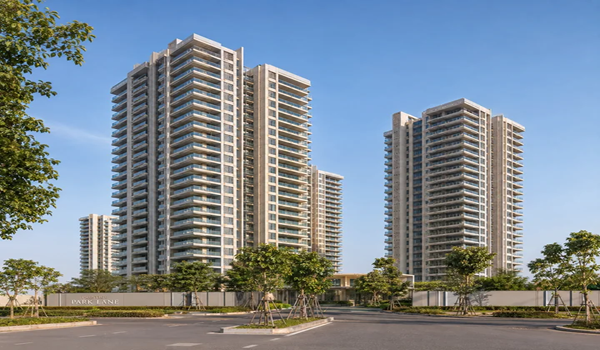
A date-linked plan runs on fixed calendar dates regardless of progress on site. Your obligation continues even if the build slows. Prestige Parklane publishes a date-linked schedule. It opens with 10 per cent on booking and 10 per cent on initiation of agreement.
After that come 24 instalments of 3.2 per cent, falling every two months from 10 December 2026 to 10 October 2030. A closing 3.2 per cent falls due on intimation of possession. Neither structure is wrong. But you should know which one you are signing, because it decides what leverage you hold if the project runs late.
What to read before you sign
- The completion date, and whether it matches the date on the RERA register.
- The delay clause. What the promoter pays, from when, and whether there is a grace period.
- The forfeiture clause. What you lose if you withdraw, and whether taxes are included.
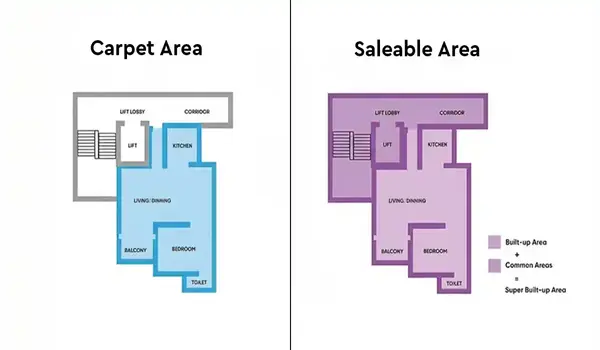
- The carpet area, and what happens if the delivered area differs. There should be an adjustment mechanism both ways.
- The specification schedule, and the right to substitute materials. Broad substitution rights make the schedule meaningless.
- The payment schedule, and whether instalments are date-linked or tied to certified construction progress.
- Transfer or assignment. Whether you can sell before possession, and what the developer charges to permit it.
- Dispute resolution. Where a dispute is heard, and whether arbitration is imposed.
The practical advice
Do not pay anything before a project is registered. Registering an interest costs nothing and commits nothing. Prestige Parklane completed that step on 15 September 2026, under PRM/KA/RERA/1251/309/PR/150926/008941. The registration number, the declared completion date of 31 December 2030 and the filed documents can all be checked on the public register.
When you do book, have an independent lawyer read the agreement before you sign. Not the developer's nominated one. The fee is small against the purchase, and the incentives are different.
Frequently asked questions
The agreement usually says so, but it has been challenged successfully. Authorities have ordered partial refunds where the developer suffered no real loss. The outcome depends on your agreement and your state authority.
Ten per cent of the cost of the apartment. Beyond that, the promoter must first execute and register a written agreement for sale.
You may withdraw and claim a full refund with interest and compensation, or stay and claim interest for every month of delay until handover.
Yes, but the terms are set by your agreement. Expect the forfeiture clause to apply where you are cancelling for your own reasons rather than because of developer default.
Often not. Recovery sits between the developer and the tax authorities. Settle the position in writing before you book.
It depends on the allotment letter terms. An allotment letter can still carry forfeiture conditions, so read it before paying rather than after.