
Blogs
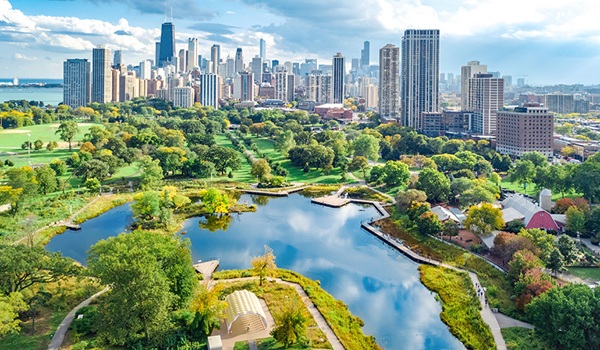
High-rise green living improves health mainly through cleaner air, lower stress, better sleep, and more daily movement, all driven by landscaped open spaces, water features, and tree cover built into the tower's surroundings.
Residents living near planned green spaces consistently report better mood and lower fatigue than those in purely concrete-heavy developments. This effect grows stronger when towers are designed to face inward onto shared green areas, rather than isolating greenery to a few premium units.
Prestige Parklane, a new launch project by Prestige Group at KIADB Phase 2, Devanahalli, reflects this green-living approach directly. Spread across 32.26 acres, its nine residential towers are planned to face inward onto a landscaped central park with a water body, set back from the road and business park by tree-lined internal roads. This layout puts green space at the heart of daily life, rather than pushing it to the edges.
Biophilic design, the practice of weaving nature into built spaces, rests on a simple idea: humans respond better to environments that mimic natural settings. Landscaped parks, water bodies, and tree cover all trigger this response, even within dense, vertical housing. Towers oriented around shared green space extend this benefit to every resident, not just those on lower floors or premium-facing units.
Well-planned green spaces within a high-rise township offer real, measurable health advantages.
Since Prestige Parklane pairs a residential zone with an active business park, including data centres, warehousing, and light manufacturing, these buffering benefits carry extra weight here. The central park and water body don't just add visual appeal; they create genuine separation between living spaces and working infrastructure. This matters more in a mixed-use township than in a purely residential project.
Beyond the central park itself, a few structural choices reinforce these health benefits. Inward-facing tower orientation ensures every resident, not just top-floor units, gets a green outlook. Tree-lined internal roads add both cooling and noise reduction along daily walking routes. A single controlled entry and exit also limits vehicle movement within the estate, keeping internal spaces calmer and safer for pedestrians.
Green design in high-rise living isn't just an aesthetic choice; it shapes daily health outcomes in measurable ways. From air quality to sleep, stress, and community life, thoughtfully placed parks and water features touch nearly every part of resident wellbeing. As more mixed-use townships adopt this approach, expect green infrastructure to become a standard expectation, not a premium add-on.
Yes, studies link regular exposure to greenery with lower stress, better mood, and improved air quality in residential settings.
It's the practice of integrating natural elements, like parks, water features, and trees, into built environments to support wellbeing.
Yes, water bodies combined with tree cover help moderate local temperatures, reducing heat compared to concrete-heavy surroundings.
This design gives every resident a green view, rather than reserving it for select premium-facing units within the township.
Yes, tree-lined roads and landscaped parks help separate residential zones from noisier business or industrial areas nearby.