Devanahalli real estate appreciation: the number, and the case against
Every project page on this corridor promises appreciation. Very few show you a number. Almost none show you the number that would make the case fail. Here are both.
The short answer
Devanahalli rates moved from roughly ₹5,500 per square foot in 2020 to about ₹9,250 to ₹9,550 by mid 2026. That is an increase of around 70 per cent over five years, or roughly 11 per cent a year compounded. It is genuinely strong. It is also backward looking. It was concentrated in a period when the airport, the STRR and electronics manufacturing arrived more or less at once, and nothing says the next five years repeat it.
What the corridor has actually done
| Year | Approx rate, per sq ft |
|---|---|
| 2020 | ₹5,500 |
| 2021 | ₹5,950 |
| September 2025 | ₹8,900 |
| June 2026 | ₹9,550 |
| August 2026 | ₹9,250 |
Notice the last two rows. Different sources, two months apart, disagree by three hundred rupees a square foot. That is not a data error so much as a reminder. Micro-market rate reporting is an average of whatever happened to be listed, and it wobbles.
Anyone quoting you a rate to the rupee is quoting a listing average with false confidence. The direction is not in doubt, though. Roughly 70 per cent over five years is a real move, made while most established Bengaluru corridors did considerably less.
Why it moved, and whether those reasons are spent
Four things drove it, and they are at different stages of being priced in.
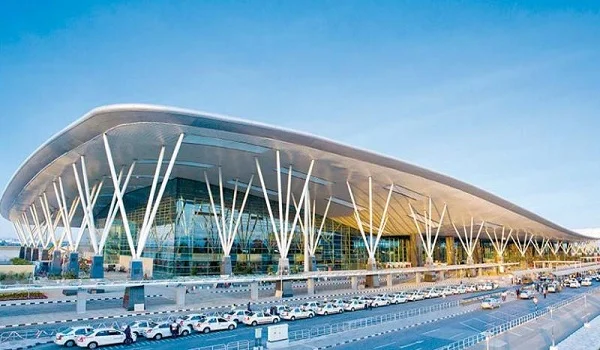
The airport, and Terminal 2. Operating, with a second runway. This is finished infrastructure the market has had years to absorb. Mostly priced in.
The Satellite Town Ring Road. The Doddaballapur Bypass to Hoskote leg runs past Devanahalli and is open and tolled. Also finished, and largely priced in.
Electronics manufacturing. This one is still unfolding. Foxconn has hired about 30,000 people in eight months and targets 50,000. Wistron holds 32 acres in the same KIADB phase as Prestige Parklane. The caveat is that headline job numbers are not the same as addressable housing demand.
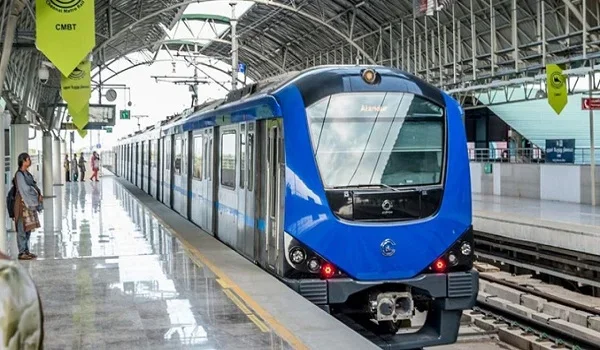
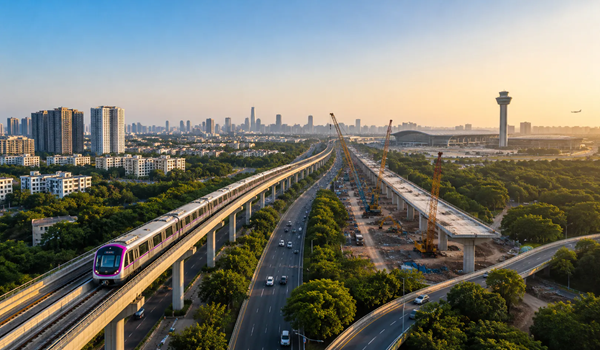
The metro. Not priced in, because it has not opened. The Blue Line moved to March 2028 in August 2026, with the Hebbal to airport section targeted at September 2027. So of the four drivers, two are largely absorbed, one is live and growing, and one has not arrived. That is a reasonable setup. It is not the setup that produced the last 70 per cent, because two of the four cannot deliver that surprise again.
The case against, which somebody should make
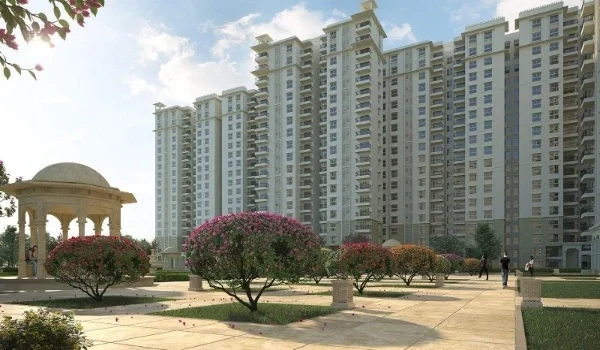
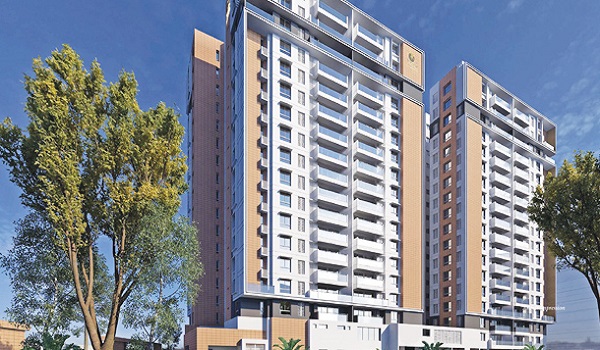
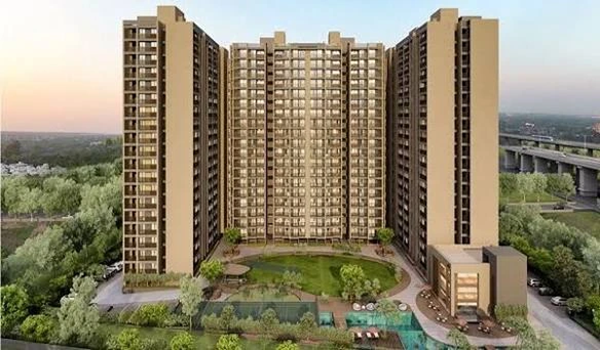
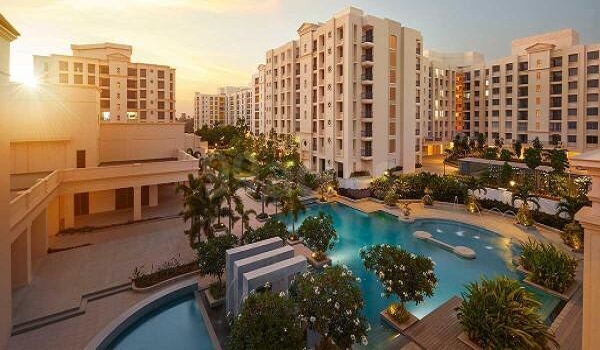
Supply is arriving together. Prestige Parklane, Birla Trimaya and Godrej MSR City are all selling within a few kilometres. Several branded launches at once is a vote of confidence. It is also the precondition for a glut. Both readings come from the same fact.
Rental yield is thin. On a Parklane 1 BHK at about ₹72.4 lakhs all in, gross yield runs roughly 3.0 to 4.1 per cent, and net closer to 2.3 to 3.3 per cent. If appreciation slows, the income does not carry you.
Branded product already trades above the micro-market. The corridor average is around ₹9,250. Branded launches sit between roughly ₹10,400 and ₹13,250. You are not buying at the market rate. You are buying at a premium to it, and hoping the market catches up.
The last five years were unusual. An international airport terminal, a ring road and a manufacturing cluster landing in the same window is not a normal decade. Straight-lining from it is the classic mistake.
What different growth rates actually produce
It helps to see what a slower decade does to the numbers, rather than argue about a single forecast.
| Annual growth | Value after 7 years | What it implies |
|---|---|---|
| 6% a year | About 1.50 times | A cautious, slower decade |
| 8% a year | About 1.71 times | A reasonable middle case |
| 11% a year | About 2.08 times | A repeat of the last five years |
The gap between the cautious and optimistic cases is large. A purchase that only works at 11 per cent is relying on history repeating.
How to underwrite it honestly
Underwrite on what is finished. The airport and the STRR are operating. If the purchase works on those alone, it works. Everything else is upside you did not pay for.
Assume a slower decade. Model 6 to 8 per cent a year rather than 11. If the case still holds, you have a sound purchase.
Count the entry cost properly. On the Parklane fact sheet, starting prices are all inclusive, excluding registration. Registration at 7.5 per cent plus the possession-stage charges comes to roughly 11 to 12 per cent above the headline. On a ₹90 lakh 2 BHK, the total is about ₹1.01 crore.
None of that comes back at exit. At 6 per cent growth it takes about two years just to recover it. At 8 per cent, about eighteen months.
Know your holding period. Corridors reprice when infrastructure commissions, not when it is announced. The repricing concentrates in the twelve months around opening. On this corridor that points to late 2027 to 2029. A three year hold probably misses it. A seven year hold probably catches it.
Leading indicators: how to tell the next leg is starting
Forecasts are easy to argue with. Indicators are easier to watch. These signals tend to move before prices do on a corridor like this one.
| Indicator | What a positive signal looks like |
|---|---|
| Metro commissioning | The Hebbal to airport section opens close to September 2027 |
| Unsold inventory | City-wide overhang falls from about fifteen months towards twelve |
| Rents | One bedroom asking rents rise faster than general inflation |
| New launches | Fresh supply slows while absorption holds up |
| Employment | Foxconn nears its 50,000 target and Airport City offices lease up |
| Resale activity | Resale listings on the corridor sell faster and closer to asking |
No single indicator settles it. When three or four move the same way at once, a repricing is usually under way. The useful discipline is to check these once a year against your own purchase, rather than reacting to any single headline. If the indicators stall for two years running, the likely outcome is a longer hold rather than a failed investment. Plan your finances so a longer hold is affordable.
Where the build timeline fits
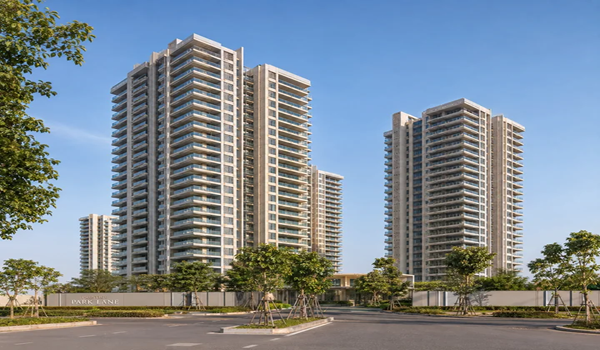
Prestige Parklane registered with Karnataka RERA on 15 September 2026, with a declared completion date of 31 December 2030. That places the likely repricing window of late 2027 to 2029 inside the construction period, before handover. A buyer who allots now holds through that window while the building rises. That is the timing argument for buying ahead of commissioning rather than after it.
The honest summary
Devanahalli has been one of the better performing corridors in Bengaluru, and the reasons were real rather than speculative. That is the strongest thing you can say about a location. But the easy part has happened. What remains is a metro whose date has moved three times, an employment story that is genuinely growing, and several branded projects competing for the same buyer at once. That is a decent hand. It is not the hand that was dealt in 2020.
Frequently asked questions
Rates moved from roughly ₹5,500 per square foot in 2020 to about ₹9,250 to ₹9,550 by mid 2026. That is around 70 per cent over five years, or roughly 11 per cent a year.
There is no basis for assuming so. The airport and the STRR are largely priced in. Manufacturing is still growing and the metro has not opened. Test your case at 6 to 8 per cent a year.
Around ₹9,250 per square foot as a micro-market average in August 2026. Branded launches sit above that, at roughly ₹10,400 to ₹13,250.
It has committed infrastructure and a growing employment base. The risks are simultaneous branded supply, thin rental yields and further metro delay. It suits a longer hold rather than a three year flip.
Corridors typically reprice in the twelve months around commissioning. With the airport section targeted for September 2027 and the full line for March 2028, that window sits between late 2027 and 2029.
Watch the metro's opening date, unsold inventory falling toward twelve months, rents rising faster than inflation, and slowing new launches.
Registration and possession charges add roughly 11 to 12 per cent. At 6 per cent annual growth, recovering that takes about two years. At 8 per cent, about eighteen months.