Vastu, facing and apartments: what actually affects how a home lives
Vastu Shastra decides more Indian property purchases than any specification sheet. Most of what is written about it is either dismissive or credulous. This is neither. It sets out what the tradition actually says, what of it has a practical basis, and how to weigh it without letting it cost you the right home.
What is Vastu, and does it apply to flats?
Vastu Shastra is an ancient Indian architectural tradition. It is concerned with orientation, proportion and the placement of spaces relative to the cardinal directions and the path of the sun. It developed for freestanding buildings on open land. That matters when you apply it to the seventeenth floor of a tower. Two honest statements can sit together. There is no scientific evidence that Vastu compliance affects outcomes in anyone's life.
And Vastu materially affects resale in the Indian market, because a large share of buyers care. The second is true whether or not the first is. So yes, it applies to flats in the sense that matters commercially. But only parts of it translate.
The principles most often applied to apartments
| Element | Preferred | The practical reading |
|---|---|---|
| Main entrance | North, east or north-east | Morning light into the entry; in Bengaluru, a cooler approach |
| Kitchen | South-east | Traditionally the fire corner. Practically, afternoon heat is contained away from living areas |
| Master bedroom | South-west | The most sheltered corner from morning glare |
| Living room | North or east | Best daylight through the day |
| Bathrooms | North-west or west | Away from kitchen and prayer space |
| Water storage | North-east | No practical basis in a tower with a common tank |
| Heavy storage | South and west | Structurally irrelevant in an RCC frame |
Notice the pattern. Several traditional prescriptions coincide with sensible passive design for a hot climate. Several do not translate to an apartment at all.
Which facing flat is best?
Strip away everything else and orientation is the one element with a real, measurable effect on how an apartment lives. In Bengaluru especially.
- East facing. Morning sun, cooler afternoons. Generally the most sought after, and priced accordingly.
- North facing. Even, indirect light all day with little heat gain. Excellent for a home office.
- North-east. Traditionally the most auspicious, and it does combine the advantages of both.
- West facing. Bakes from about 3pm. In a west facing living room in April you will notice. Usually cheaper, and the discount is real rather than superstition.
- South facing. Strong light through much of the day, manageable with the right shading.
Bengaluru's climate softens all of this compared with Delhi or Chennai. But a west facing glazed living room is still measurably hotter in the afternoon. That is physics, not Vastu. It is worth paying for, or discounting, accordingly.
How to check the Vastu of a flat
You do not need a consultant to run the basic checks. You need a compass and a floor plan.
- Stand at the main door and take the compass bearing of the direction you face when entering.
- Mark the plan with north, and locate the kitchen, master bedroom and living room against it.
- Check which rooms take morning light and which take the 3pm to 6pm sun.
- Note the position of the unit on the tower plate, since facing changes around a building.
- Visit at the hour you will actually use the main room.
Phone compass apps are accurate enough for this. Hold the phone flat and away from steel door frames, which deflect the reading. Online Vastu tools can produce a first pass from a plan, but they cannot tell you what the light is like. The site visit is the part that cannot be substituted.
How this applies at a tower project
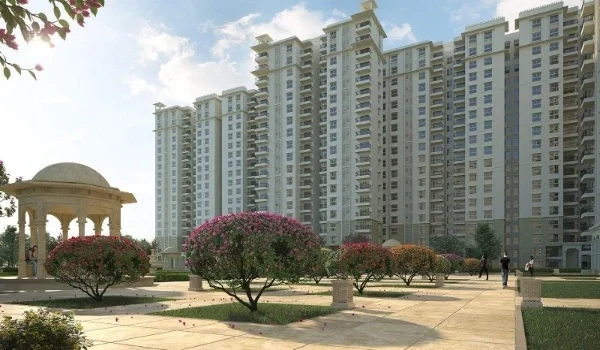
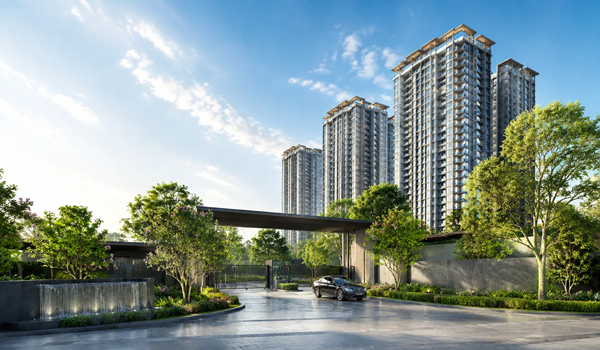
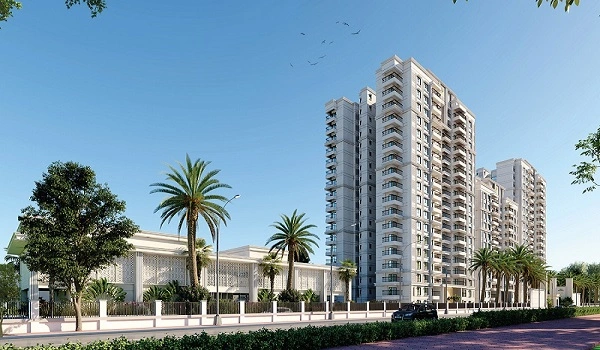
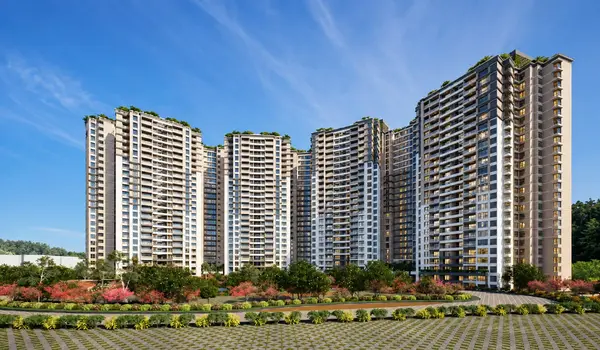
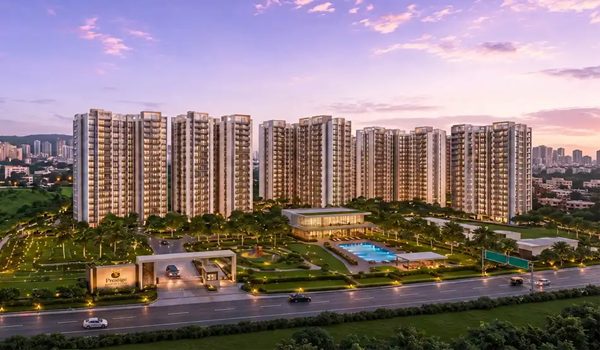
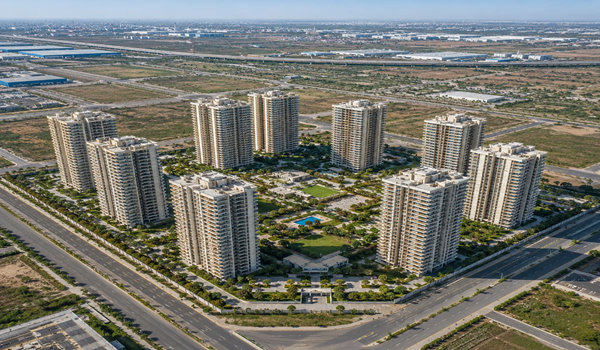
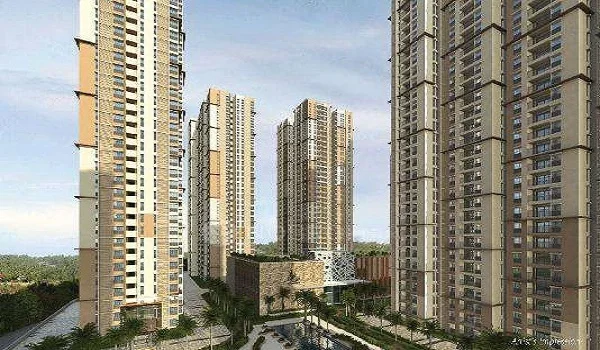
Vastu was written for a house on a plot. In a tower, most prescriptions about plot shape, boundary walls, water sources and slope have nothing to attach to. What survives meaningfully is entrance direction, the internal layout of rooms relative to each other, and facing. At Prestige Parklane the nine towers are arranged as an arc facing inward onto the landscaped core. Most apartments look onto the park rather than onto a road or the enterprise estate.
That improves the view for everyone. It also means facing varies by tower position around the arc. If orientation matters to you, ask for the tower plate and the compass orientation of the specific unit, not just the configuration. The project is now registered with Karnataka RERA under PRM/KA/RERA/1251/309/PR/150926/008941, which means unit-level details sit on a filed record rather than only in sales material.
How to weigh it
If you believe in it: apply it to the things a tower can actually deliver, which are entrance direction and facing. Do not pay a large premium for prescriptions about water tanks and storage weight that have no meaning in a shared building.
If you do not: understand that a meaningful share of your future buyers will. A strongly non-compliant unit sells more slowly. That is a resale liquidity consideration rather than a belief, and it belongs in the decision either way.
Either way: visit the actual unit, or an equivalent one, at the time of day you will use the main rooms. Ten minutes standing in a west facing living room at 4pm in April tells you more than any consultation.
What not to do
Do not let a Vastu objection override structural, legal or locational quality. A compliant apartment in an unregistered project with a title problem is a worse purchase than a west facing one in a clean project. The order of importance is title, then approvals, then location, then the building, then orientation. And treat anyone charging a large fee to make an existing apartment compliant through purchases with appropriate scepticism.
Frequently asked questions
Partly. Entrance direction, room layout and facing translate to an apartment. Prescriptions about plot shape, slope, boundary walls and water storage largely do not.
Take a compass bearing at the main door, mark north on the floor plan, and locate the kitchen, master bedroom and living room against it. Then visit at the hour you will use the main room.
North-east is traditionally considered most auspicious, followed by east and north. In Bengaluru's climate, east and north also happen to give the best light with the least afternoon heat.
Not bad, but hotter from about 3pm and usually cheaper for that reason. The discount is real. Whether it matters depends on when you use the living room.
It is generally considered less favourable than north or east, though south-west is the traditional position for the master bedroom. Strong daylight is manageable with proper shading.
Yes, in practice. A large share of Indian buyers screen for it, so a strongly non-compliant unit typically takes longer to sell even where the buyer does not personally believe in it.